CCNY researchers identify mechanics of initiator in DNA replication Biology Diagrams
CCNY researchers identify mechanics of initiator in DNA replication Biology Diagrams Another family of DNA helicases with profound roles in genome maintenance is represented by the PIF1 helicases. Muellner and Schmidt provide a critical analysis and summary of the PIF1 family of DNA helicases in yeast, providing an excellent foray into understanding their complex genetic and molecular roles . By their narrative discussion of What is Helicase? Helicases are a class of enzymes that play a fundamental role in unwinding nucleic acids, either DNA or RNA, depending on the type of helicase involved.These enzymes are essential for various cellular processes, including replication, repair, transcription, and translation.Helicases were first identified in E. coli in 1976, and later, eukaryotic DNA helicases were discovered DNA helicase is a crucial enzyme in molecular biology, playing an essential role in DNA replication, repair, and transcription. As a motor protein, it unwinds the double-stranded DNA (dsDNA) into single strands, enabling cellular processes that require access to the genetic code.
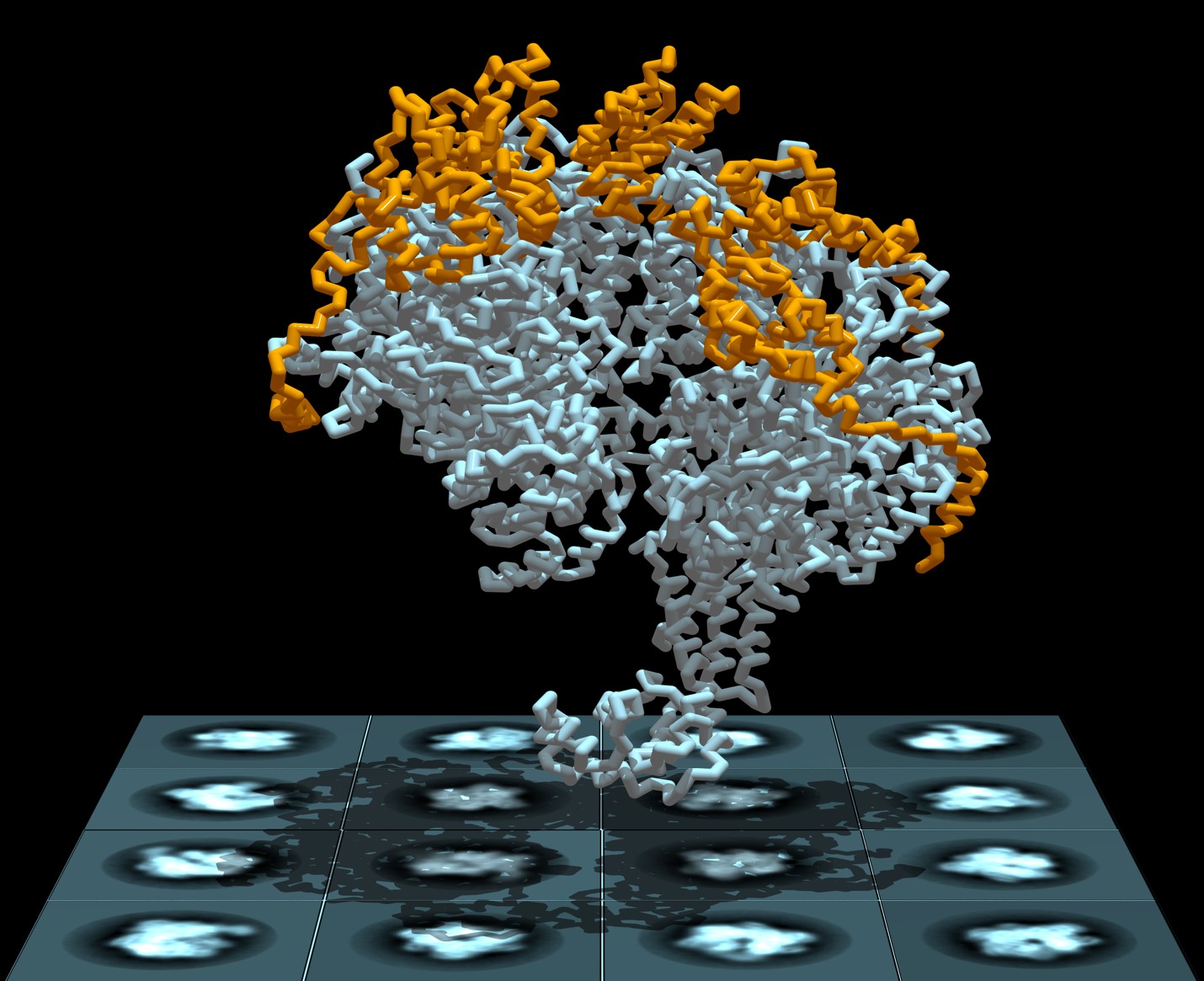
Helicases initiate the replication fork, where the DNA double helix is separated into two single strands. This separation allows DNA polymerases to synthesize new complementary strands. Helicases work with other proteins, such as single-strand binding proteins, which stabilize the unwound strands and prevent re-annealing or secondary structures.

Enzymes Involved In DNA Replication Biology Diagrams
DNA helicases are ubiquitous enzymes found in all domains of life and associated with nucleic acid metabolisms such as DNA replication, transcription, translation, DNA repair, recombination, ribosome biogenesis, and decay.. DNA helicase was discovered first in E. coli in 1976.. They are ATP (adenosine triphosphate) dependent separating enzymes that promote separation of the two parental Helicase plays a crucial role in the DNA replication process. It is also known as Dna B protein. It is a ring-shaped hexamer containing six identical subunits. During the replication process, each of the single-stranded DNA helicases is loaded. Then the DNA replication occurs in the bi-direction, unwinding the strand and creating the V-shaped

Unwinding polarity of replicative helicases. (A) Gram-negative bacteria E. coli and Helicobacter pylori helicase hexamer unwind double-stranded DNA in the direction of 5′ to 3′. Similarly, Gram-positive bacteria Bacillus anthracis and Bacillus stearothermophilus also showed a 5′ to 3′ unwinding activity. The DnaC helicase of Bacillus subtilis with 45% and 82% identical amino acid

DNA Helicases: Key Players in Replication, Repair, and Disorders Biology Diagrams
In conclusion, helicase plays a crucial role in DNA replication by unwinding the DNA double helix and facilitating the cooperation with DNA polymerase. Its unwinding activity allows for the separation of the DNA strands and the formation of a replication fork, while its continuous movement prevents the reannealing of the separated strands.
