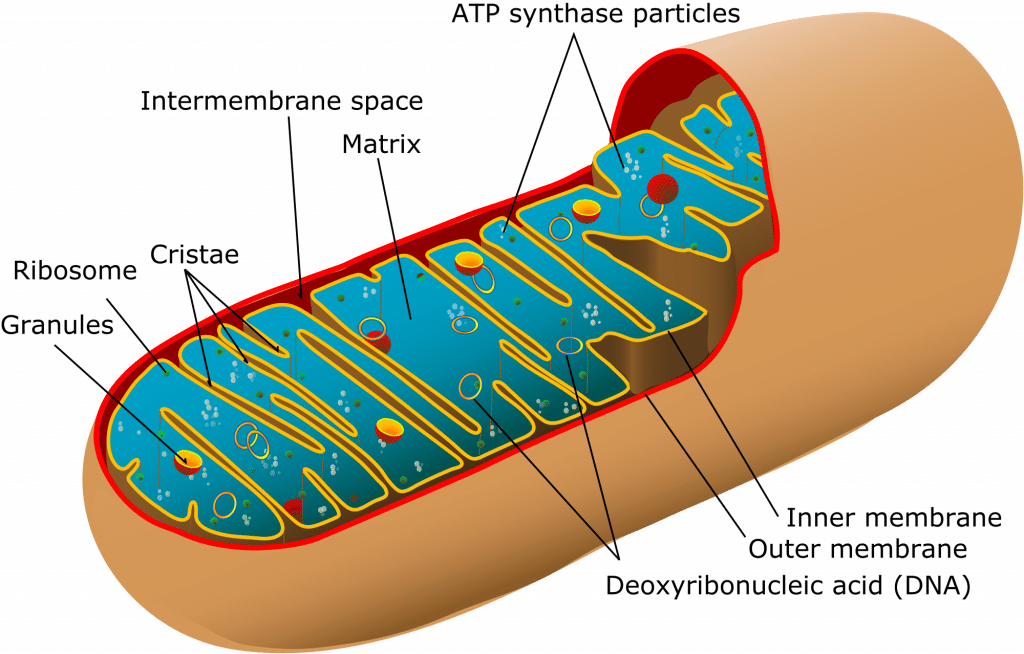
Mitochondrion Function Biology Diagrams
Mitochondrion Function Biology Diagrams Mitochondrion, organelle found in most eukaryotic cells, the primary function of which is to generate energy in the form of adenosine triphosphate. Mitochondria also store calcium for cell signaling activities, generate heat, and mediate cell growth and death. They typically are round to oval in shape.
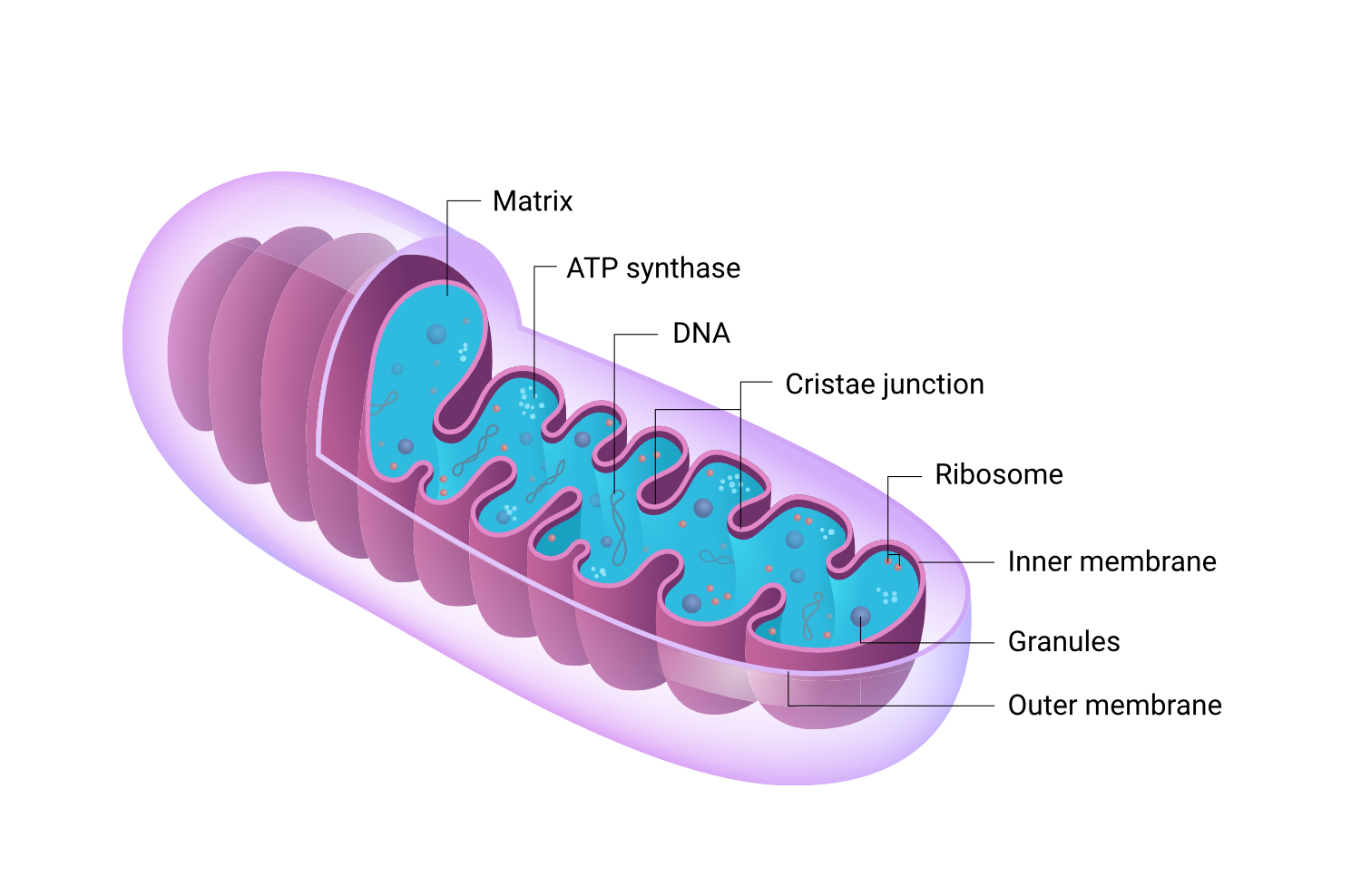
9. Can mitochondrial function be improved? Lifestyle factors such as exercise, diet, and certain supplements might improve mitochondrial function, but research in this area is ongoing. 10. Are mitochondria involved in aging? Some research suggests that changes in mitochondrial function are linked to the aging process.

Definition, Function & Structure Biology Diagrams
Their proper function is essential for energy metabolism, regulation of the metabolic balance, and apoptosis. Understanding mitochondrial function extends beyond their well-known role in ATP synthesis; it encompasses intricate processes such as maintaining mitochondrial DNA integrity, dynamic changes in morphology, and biogenesis.

Function of Mitochondria. Mitochondria produce ATP through process of cellular respiration—specifically, aerobic respiration, which requires oxygen. The citric acid cycle, or Krebs cycle, takes place in the mitochondria. This cycle involves the oxidation of pyruvate, which comes from glucose, to form the molecule acetyl-CoA. The two main functions of mitochondria are: 1) promoting the growth of new cells and in cell multiplication, and 2) serving as the 'energy currency' of the cell by synthesizing high-energy phosphate molecule - ATP Other Important Functions:. Producing body heat by the accumulation of brown-fat; Controlling various cellular activities such as cell differentiation, cell signaling, cell
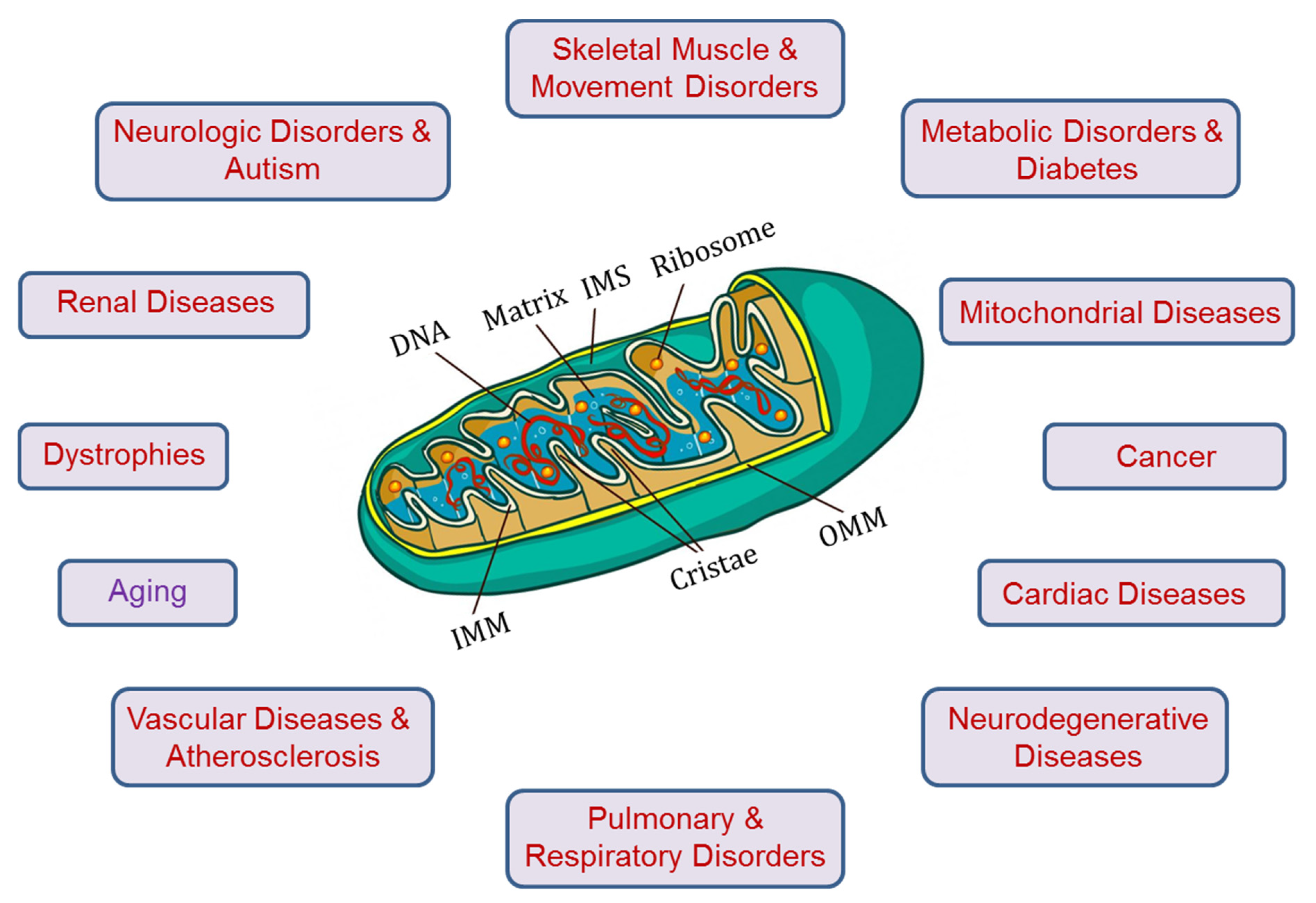
Mitochondrial Function and Health in Eukaryotic Cells Biology Diagrams
The ability to reshape cristae allows mitochondria to fine-tune their function, ensuring that energy production aligns with cellular needs. Furthermore, cristae play a role beyond energy metabolism. Their unique architecture creates microdomains that compartmentalize various mitochondrial functions, including the regulation of apoptosis.