Pin page Biology Diagrams
Pin page Biology Diagrams The Interactive Sagittal Section is meant to be illustrative, not normative. For example, the alveolar fricatives /s/ and /z/ are shown here as apico-alveolar, but they can also be made with a lamino-alveolar constriction. The general structure of this sagittal section is based on diagrams in The sounds of language: An introduction to

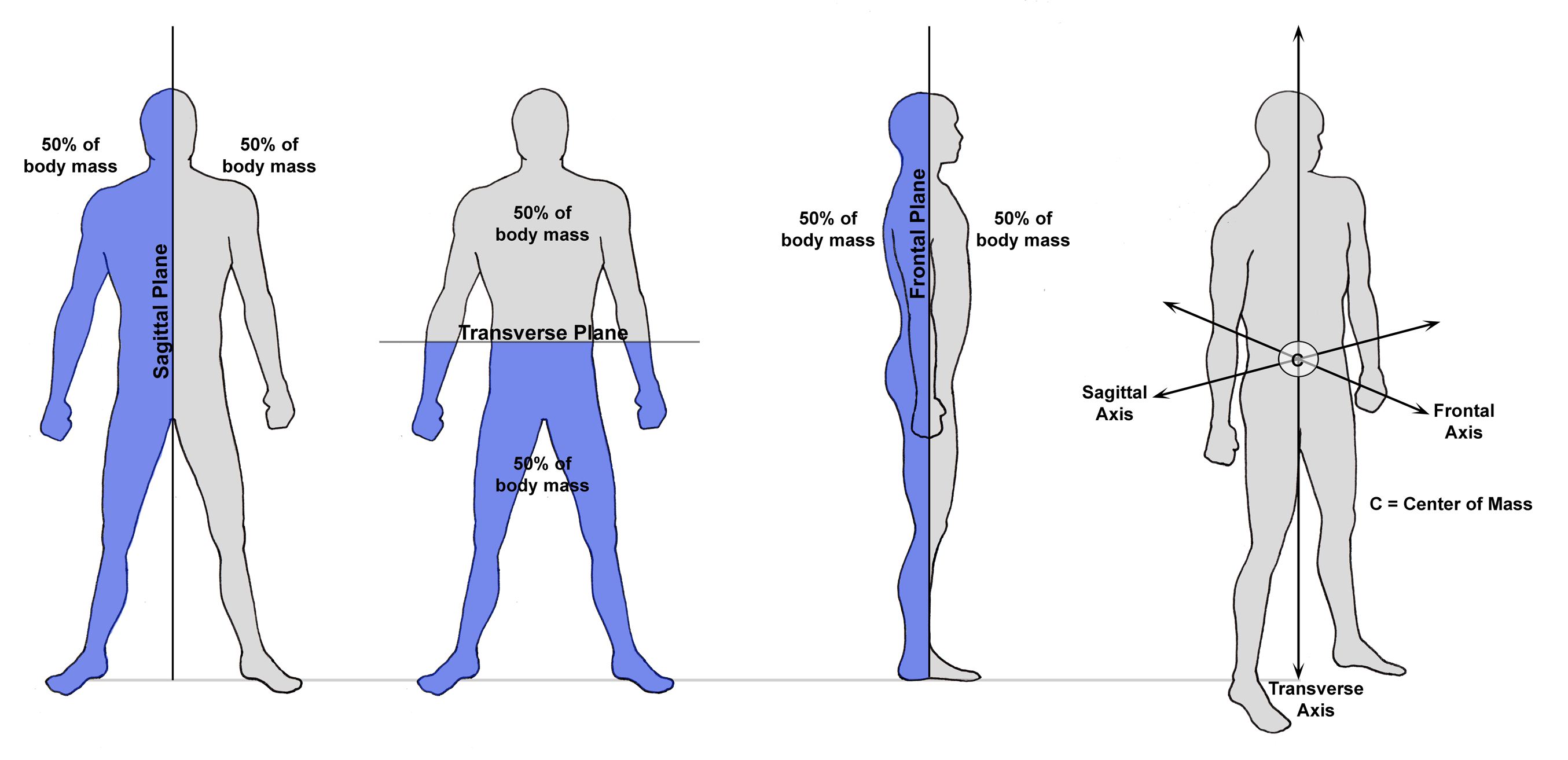
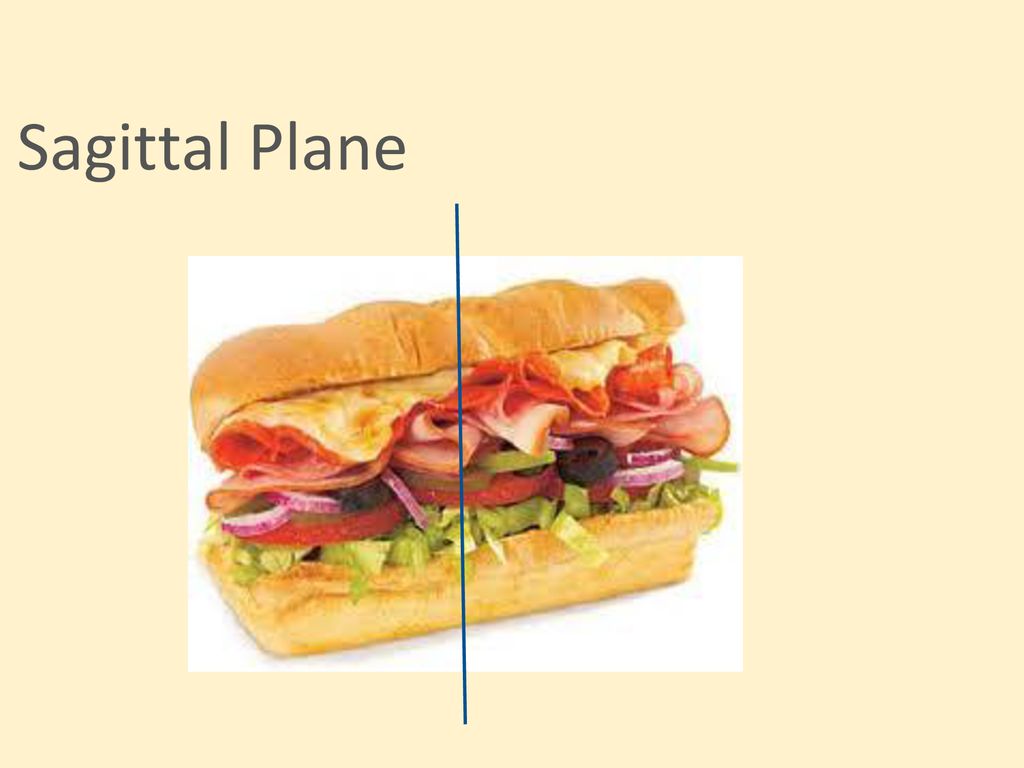
Three basic reference planes are used in anatomy A sagittal plane, also known as the longitudinal plane, is perpendicular to the ground and divides the body into left and right. The midsagittal or median plane is in the midline i.e. it would pass through the midline structures (e.g. navel or spine), and all other sagittal planes (also referred to as parasagittal planes) are parallel to it.
The 3 Anatomical Body Planes and The Movements In Each Biology Diagrams
Anatomical position, body planes, anatomy sections. Directional term descriptions, definitions, example labeled diagrams of sagittal, coronal, transverse, oblique, and longitudinal axis. Quiz yourself on how each plane divides the body into front (anterior) and back (posterior) portions, right and left sides, upper (superior) and lower

A "parasagittal" plane is any sagittal plane that does not run perfectly down the midline of the body. Oblique Planes. An oblique plane is a plane that can literally be any type of angle other than a horizontal or vertical angle. In fact, the word "oblique" means that something is not parallel or a right angle.

Interactive Sagittal Section 2.1 Biology Diagrams
The three planes of motion include coronal (frontal), sagittal (longitudinal), and transverse (axial) planes. These planes involve moving side-to-side, front and back, or rotationally, respectively. The anatomical planes are hypothetical planes used to describe the location of structures in human anatomy. They are applied to the human body in the anatomical position. In this article, we shall look at the anatomical planes in more detail - in particular, the three most commonly used planes: sagittal, coronal and transverse. Introduction. Anatomical planes are imaginary planes/2D surfaces used to divide the body to facilitate descriptions of location and movement.. The anatomical position is used as a reference when describing locations of structures and movements.It is an upright position with arms by the side and palms facing forward. Feet are parallel with toes facing forward.