Populations Biology Diagrams
Populations Biology Diagrams Herbivores, the veggie-loving creatures of the animal kingdom, have a unique dietary preference: plants! That's right, these animal pals dine exclusively on leafy greens, juicy fruits, and crunchy twigs. They play a crucial role in our ecosystems, but let's get to the root of their importance. Primary Consumers: The Foundation of Food Chains Explore the diverse adaptations and roles of herbivores in ecosystems, highlighting their interactions and impact on community dynamics. enhanced by regurgitation and re-chewing of food, known as rumination. Non-ruminant herbivores, such as horses and rabbits, rely on an enlarged cecum and colon for fermentation, a strategy explored in
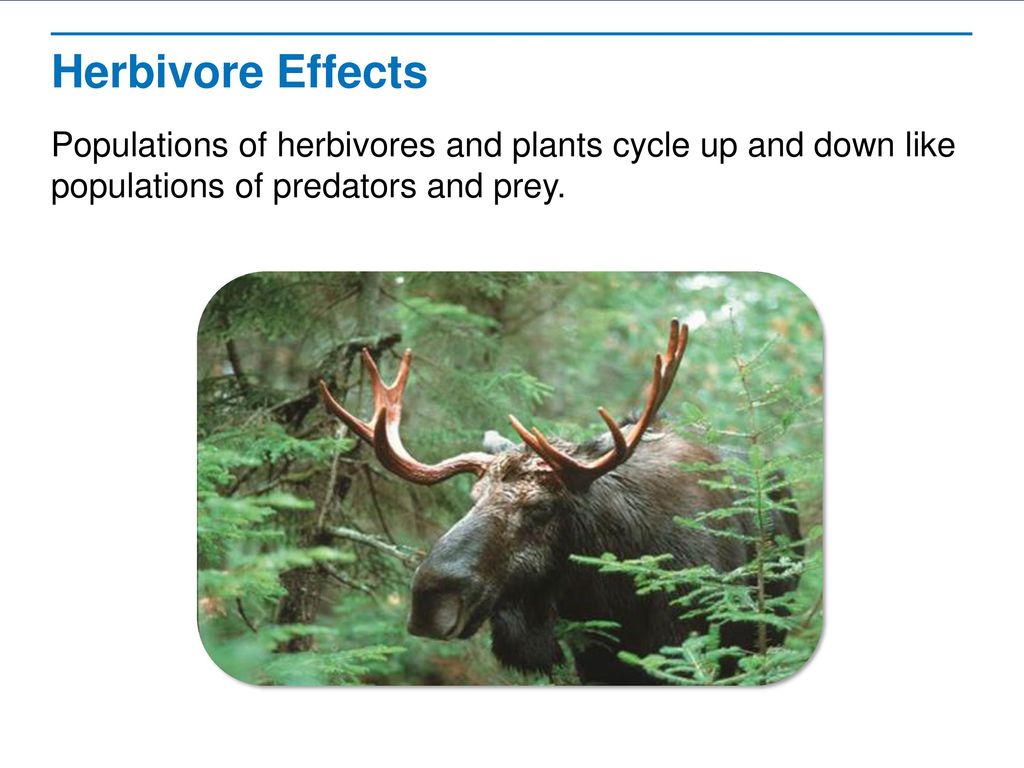
A herbivore is an animal that only eats plants; Food chain summary. The initial source of energy for all food chains is the sun; A food chain always starts with a producer - usually a green

The Journey of Energy: What Happens in a Food Chain Biology Diagrams
This article will explore the definition of food chains, the role of energy at each trophic level, and the implications of energy loss for our environment. Table of Contents. Producers absorb sunlight and convert it into chemical energy, which is stored in the form of glucose. When herbivores consume these plants, they obtain this stored Food chain, its types and eg. are briefly mentioned in the article below. Get Free Study Materials They occupy the next level of the food chain and play a crucial role in balancing ecosystem populations. In an aquatic food chain the producer is a minute organism called Algae and Protozoa is also a minute herbivore. Food Web. A very Food chains reveal the relationships between organisms, showing how each organism plays a role in maintaining ecological balance. By studying food chains, ecologists better understand ecosystem dynamics, including the flow of energy, population control, and the impact of human activities on natural habitats.

Herbivores occupy the second trophic level in the food chain and play vital roles in energy flow, ecosystem balance, and biodiversity. By understanding their importance, we can better appreciate the interconnectedness of life and the need for sustainable practices that protect these essential species.
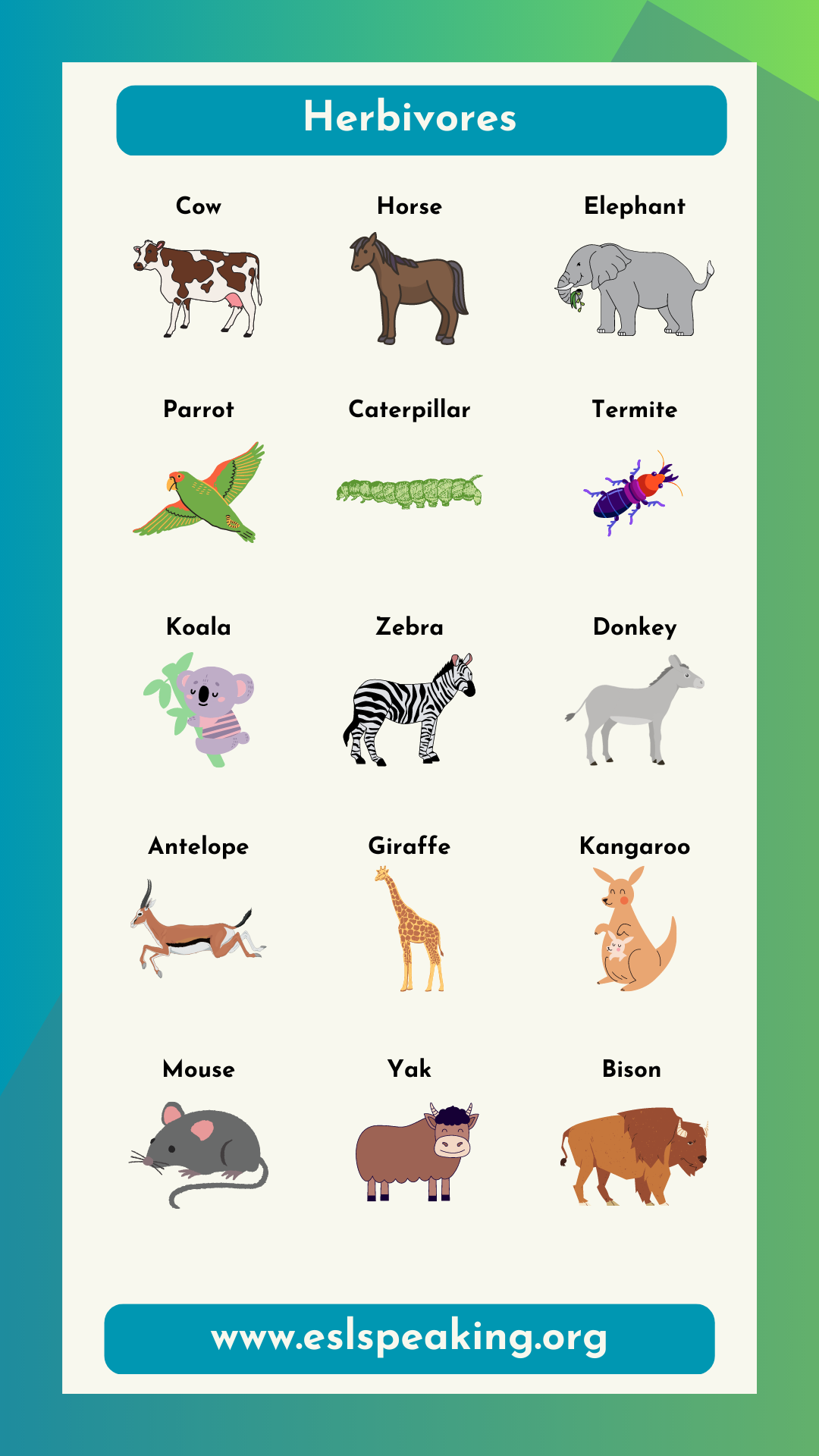
Herbivory: Adaptations, Types, and Community Roles Biology Diagrams
A food chain describes how living organisms get their food. All organisms, from the most complex to the most simple ones, need food to survive. Living things can be part of multiple food chains and all connected food chains in an ecosystem combine to make a food web.. As shown in the infographic below, a basic food chain is composed of producers, consumers, and decomposers.
